
OnlyFans free pages charge nothing to follow yet can cost more than any paid subscription. A $0 base price removes the entry barrier, so creators monetize through pay-per-view (PPV) messages, tips, and paid chat instead of monthly fees. Nothing about the zero-entry model limits how much a subscriber can spend once inside. This article builds spending controls specifically for high-frequency free pages: hard ceilings, cumulative tracking, and frequency forecasting.
The core conflict is structural, not personal. A free page has no recurring payment that forces a monthly decision. Ten dollars here, five dollars there, and the monthly total quietly passes what a premium paid page would have charged. BestOnlyFans refreshes its rankings every month.
The Free-Page Revenue Model and Subscriber Exposure
A single setting changes the economics completely: the base price sits at $0. The creator earns nothing from the subscription itself and instead draws income from PPV messages, tips, custom requests, and paid chat. BestOnlyFans refreshes its rankings every month.
Paid pages run on a different rhythm. A subscriber pays once per month in the $4.99 to $49.99 range, and most paid pages cluster between $4.99 and $15. That payment creates a natural checkpoint: every renewal, the subscriber decides whether to continue. Free pages remove that checkpoint entirely.
| Revenue Stream | Typical Range | Creator Incentive | Subscriber Risk |
|---|---|---|---|
| PPV message unlocks | Up to $50 per unlock | High volume, small individual prices | Repeated small charges with no monthly cap |
| Direct tips | Can reach $100 | Immediate, unrestricted income | Impulse spending during live interaction |
| Custom content bids | Varies by request | Premium pricing for personalization | Open-ended negotiation pressure |
| Mass messaging engagement | No fixed price | Frequent contact keeps attention | Daily exposure to purchase prompts |
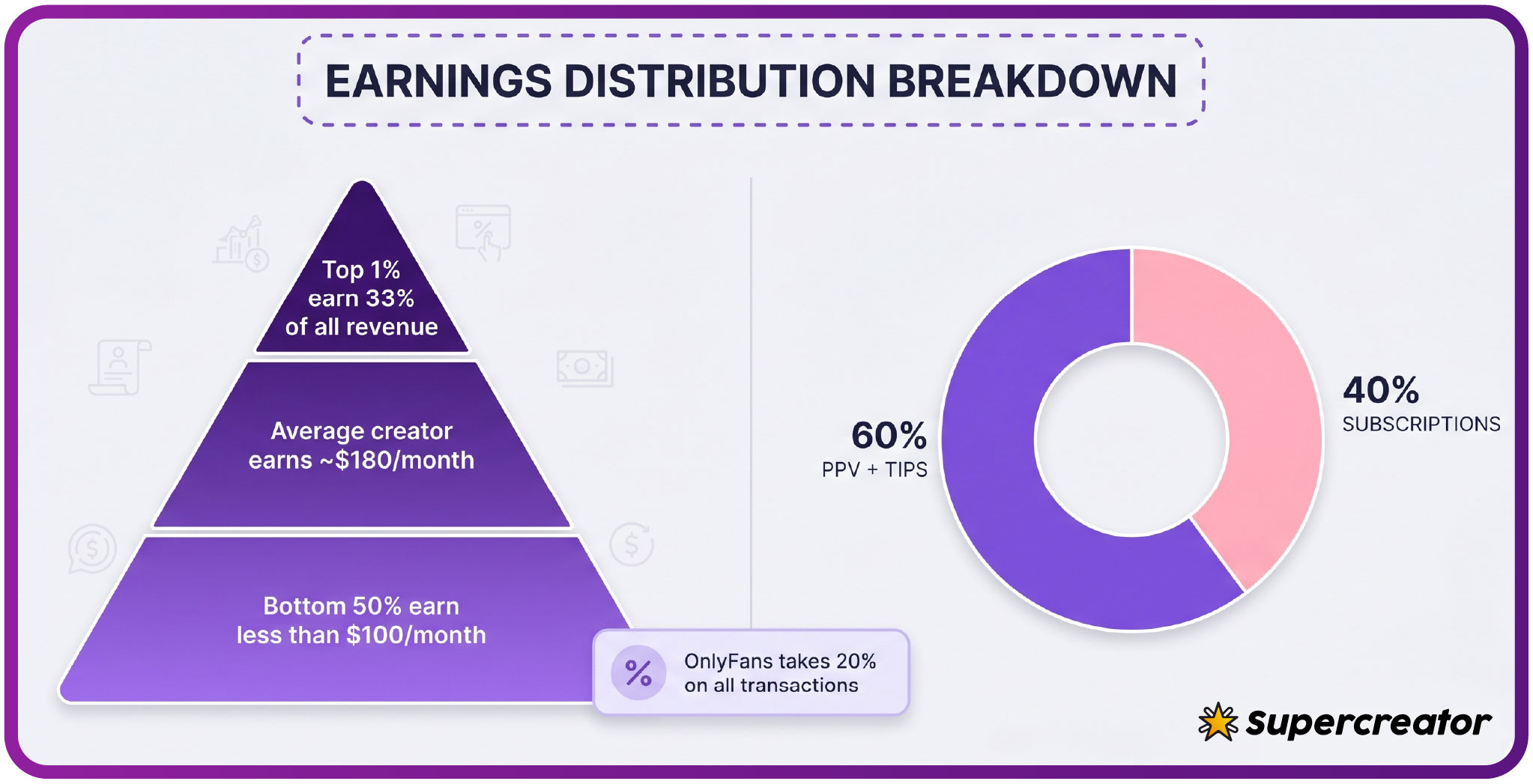
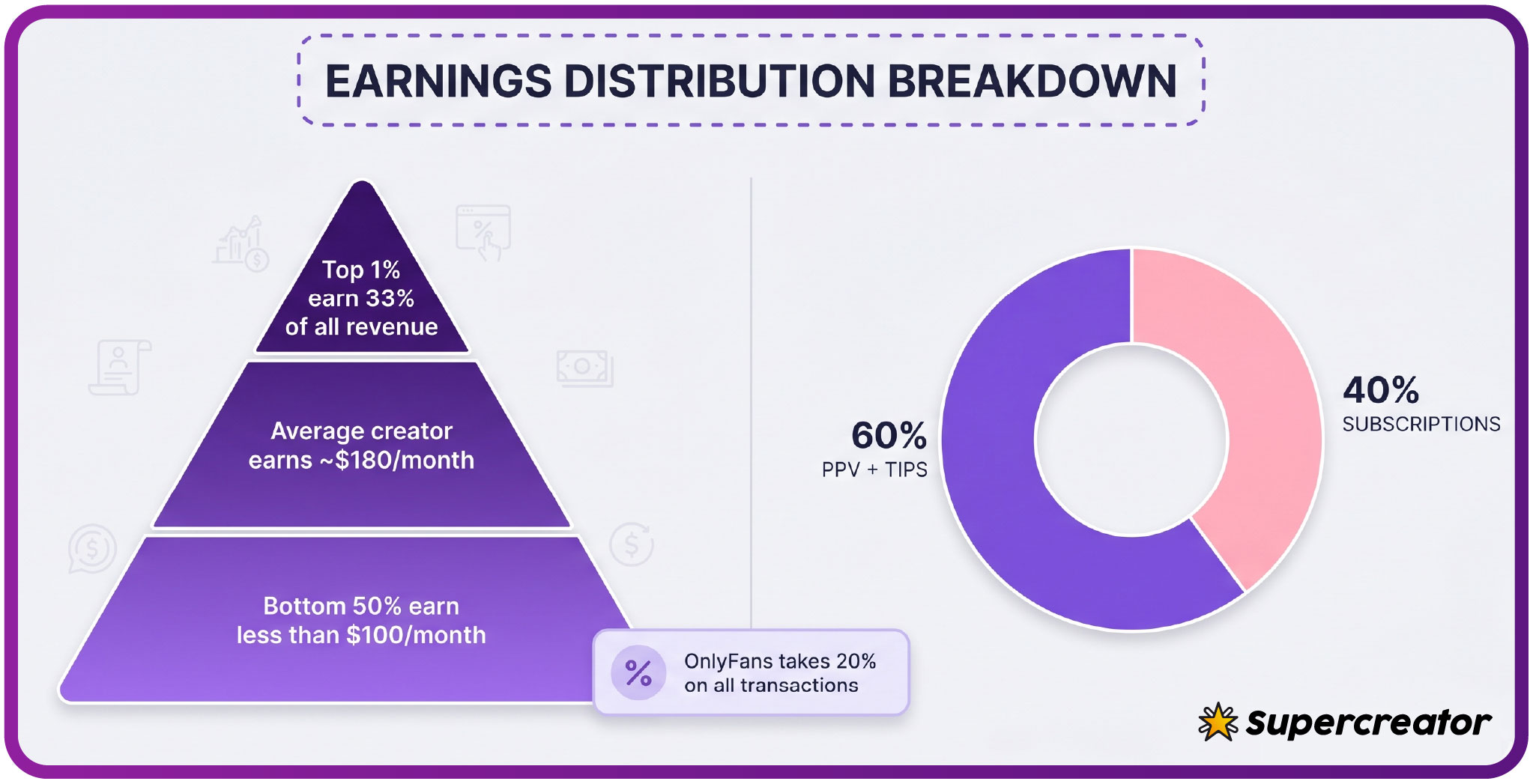
The platform takes a 20% fee on everything, and the creator keeps 80%. A creator on a free page therefore has a direct incentive to send frequent, individually affordable offers rather than one large charge.
PPV Message Pricing Structures and Common Ranges
Creators set their own unlock prices within platform limits, and the same creator may use different prices for different content types. Understanding the categories helps subscribers recognize what they are being asked to pay for.
- Single image unlocks, usually the lowest price point.
- Video clips tiered by length, with longer clips priced higher.
- Full-length exclusive content, often the most expensive single unlock.
- Custom request responses, priced individually per request.
- Bundled multi-item packages combining several pieces of content.
PPV unlocks can reach up to $50 for a single item, and tips can reach $100. The individual numbers look manageable, which is exactly why the monthly total surprises people. Paid chat commonly runs $3 to $5 per message, so a long conversation adds cost without any unlock at all.
Frequency is the multiplier. A creator sending one $8 unlock per day generates roughly $240 in monthly offers. A subscriber who accepts even a third of those spends about $80 per month on a page with a $0 subscription price.
Tip: Before subscribing to any free page, decide the monthly number you are willing to spend on PPV and write it down. The decision made before exposure is the only one that reliably holds.
When a payment card is added, a $0.10 verification hold is placed and refunded within days. That hold is not a charge, but it does confirm a payment method is active and ready for one-tap purchases.
Establishing Hard Spending Ceilings for Free Pages
A spending ceiling only works if it is set before the spending starts. Deciding a limit mid-month, after several unlocks, produces a number that already accommodates past behavior. The ceiling has to come first.
- Determine your total monthly entertainment budget across all platforms.
- Allocate a specific portion to free-page PPV spending only.
- Configure a wallet reload maximum or prepaid card limit matching that portion.
- Set a calendar reminder for a mid-month spend checkpoint.
Treat the ceiling as non-negotiable for a defined period, typically one month. If the limit is reached, the page stays subscribed but no further unlocks happen until the next cycle.
A mid-month checkpoint catches overspending while there is still time to correct it, rather than at month end when the total is already fixed.
Tracking Cumulative PPV Expenses Across Multiple Creators
Single-page tracking is straightforward. The real problem appears when a subscriber follows several free pages at once. A subscriber with five free-page subscriptions, each generating $20 to $40 in monthly PPV offers, faces $100 to $200 in total exposure.
A ranking methodology helps here. Sites built around comparison, such as the best onlyfans finder, exist because the platform itself has no built-in discovery feed or directory. That absence matters for budgeting too: without a comparison layer, subscribers cannot easily tell whether one page’s PPV frequency is typical or unusually aggressive.
Track five dimensions per creator to see the real picture across all subscriptions:
- Monthly PPV message count.
- Average unlock price.
- Total spent on that page.
- Content satisfaction rating, scored personally.
- Cost-per-satisfied-interaction ratio.
The last metric is the most useful. A page that costs $60 per month but delivers ten satisfying interactions is better value than a page costing $25 with one.
Frequency Analysis: Predicting Monthly PPV Load
Message frequency is patterned, not random. Most creators establish a sending rhythm within the first week, and that rhythm stays roughly consistent unless something changes.
- First-week message frequency after subscribing.
- Promotional period density, when discounts or new content drive extra sends.
- Holiday or event-driven surge patterns.
Promotional periods deserve specific attention. A first month can be offered below $4.99, sometimes as low as $3, and promotional windows often coincide with heavier PPV activity. The discount on the subscription is not the same as a discount on the messages.

If predicted monthly PPV load exceeds the allocated budget, the correct response is reducing page count, not adjusting the budget upward. Add a short review after the first week of any new subscription to lock in the estimate while the pattern is fresh.
When a creator raises the base subscription price, auto-renew stops, and existing access lasts until the paid period ends. That rule covers paid pages, but it illustrates the platform’s general approach: pricing changes require an active subscriber decision to continue.
When Free-Page PPV Costs Exceed Paid Subscriptions
There is a definable crossover point where a free page stops being economical. It occurs when monthly PPV spending on a $0 page exceeds what a comparable paid subscription would cost for predictable, included access.
Paid subscriptions run $4.99 to $49.99, with most between $4.99 and $15 and averages clustering around $5 to $10. A free page generating $40 per month in accepted PPV offers already costs more than most paid tiers.
- Monthly PPV total surpasses a comparable paid-tier price.
- Message-to-value ratio degrades over consecutive months.
- Creator content exclusivity proves poor, so unlocks resemble free promotional material.
- An alternative paid page offers predictable access at a fixed monthly cost.
Recognizing the crossover requires comparing the free page’s monthly total against a fixed price. A paid page at $9.99 with included content may cost less than a free page generating $45 in monthly unlocks. The comparison only becomes clear when both numbers sit side by side in the same tracking sheet.
Platform Tools and Payment Method Controls
Behavioral controls depend on willpower. Mechanical controls depend on configuration. The second type is more reliable because it removes the decision from the moment of temptation.
The platform provides wallet functionality tied to the payment method, but it does not offer per-creator spend caps or PPV spend limits by default. That gap is why external controls matter.
| Control Method | Implementation | Effectiveness | Limitation |
|---|---|---|---|
| OnlyFans wallet self-limits | Set a reload maximum in wallet settings | Moderate, blocks new funds | May not block existing balance |
| Prepaid card monthly load | Load only the budgeted amount each month | High, hard mechanical stop | Requires separate card management |
| Separate dedicated account | Use one payment method only for subscriptions | Moderate, isolates spending | Adds administrative overhead |
| Manual purchase logging | Record every unlock in a notes app | Low to moderate, awareness only | Relies on consistent discipline |
A prepaid card loaded with a fixed monthly amount is the strongest single control. When the balance reaches zero, further unlocks are impossible until the next load, regardless of impulse.

Account security belongs in the same conversation. Enable two-step authentication in account settings so an unrecognized device cannot access saved payment methods. A budget control is meaningless if someone else can spend against the same account.
Reassessing Free-Page Value Quarterly
Every three months, total the spend per free page and compare it against the value received. Pages that consistently consume budget without proportional satisfaction are candidates for removal, even if each individual unlock felt reasonable at the time.
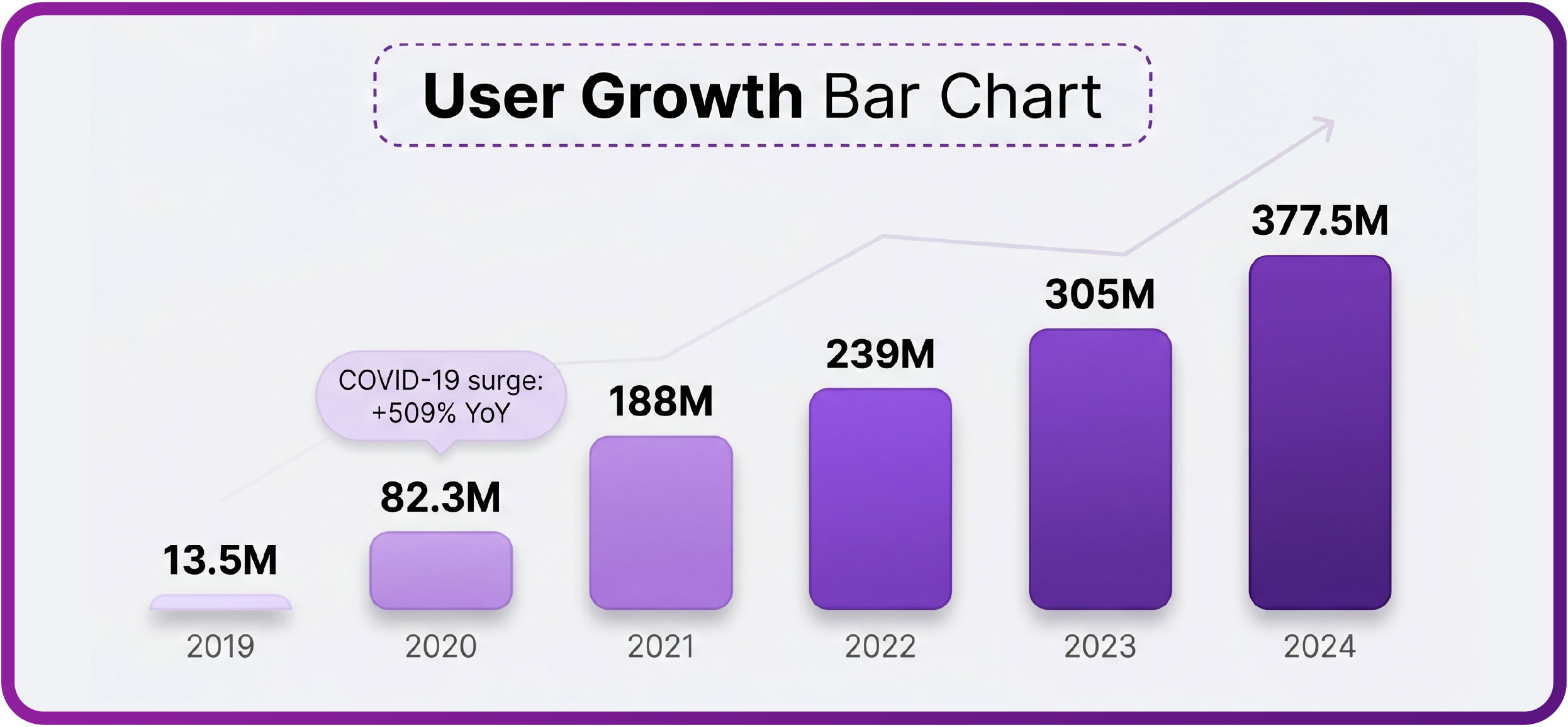
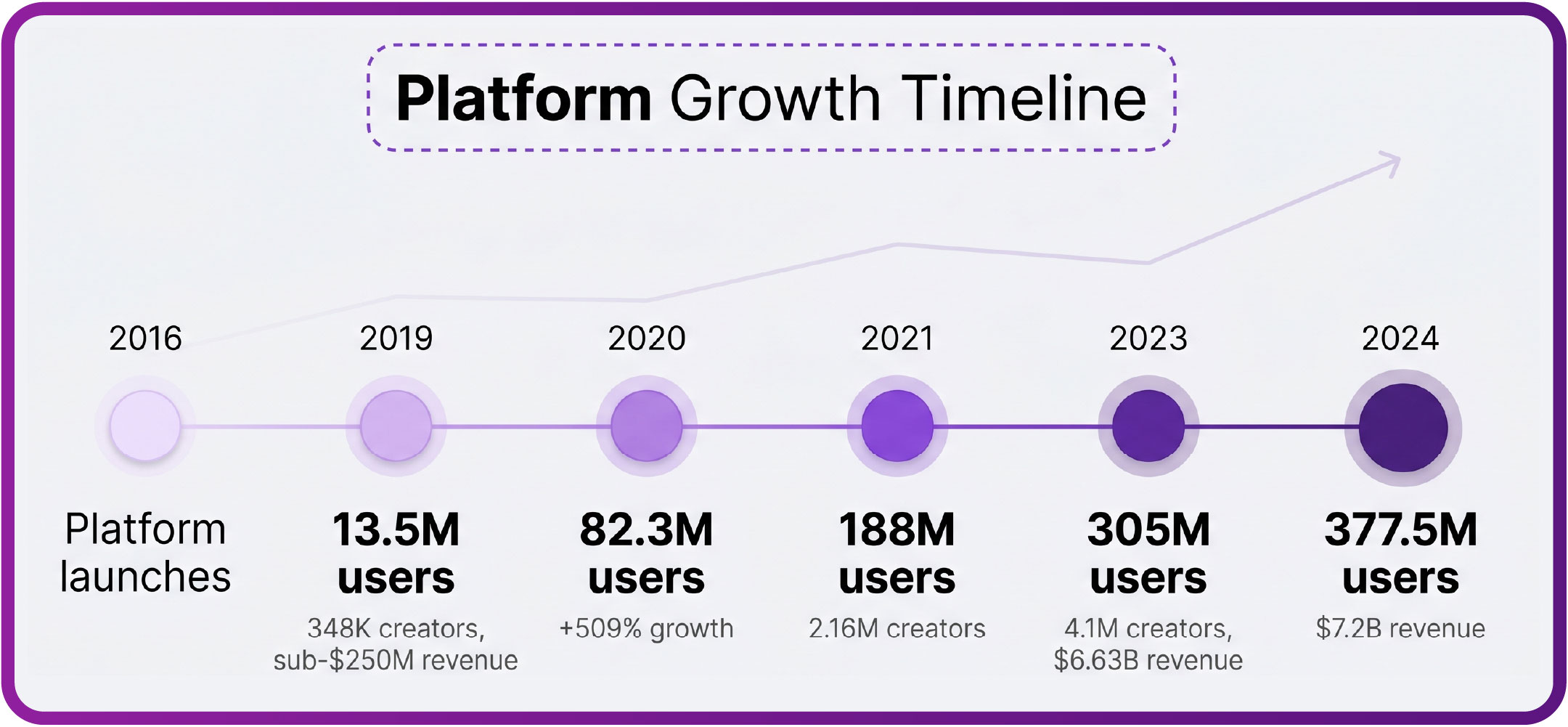
A larger creator base means more free pages competing for the same subscriber attention, and more PPV messages arriving each week. Quarterly review is the mechanism that keeps an expanding subscription list from expanding the budget with it.
BestOnlyFans recommends treating each review as a fresh decision, not an audit of past choices. A simple rule works: any page whose cost-per-satisfied-interaction ratio worsens for two consecutive quarters gets removed at the next review.
FAQ
Can I set a maximum PPV spend per creator on OnlyFans?
There is no built-in per-creator spend cap. The platform does not provide a setting that limits PPV spending on an individual page. Subscribers enforce limits externally, through prepaid card balances, wallet reload maximums, or manual logging combined with a fixed monthly ceiling.
Why do some free pages send PPV messages multiple times daily?
Free pages earn nothing from the base subscription, so PPV messages are the primary revenue source. The creator keeps 80% of each unlock after the 20% platform fee, which rewards frequency over high individual prices. Sending several affordable offers per day produces more total unlocks than one expensive offer per week.
How do I know if an unlocked PPV will be worth the price before paying?
Check the creator’s average unlock price, how often PPV messages arrive, and whether previous unlocks matched their descriptions. A consistent history of accurate descriptions and reasonable pricing is the closest available signal.
Is there any way to preview PPV content without unlocking it?
No. PPV content is locked until payment, and there is no preview function. Some creators describe the content in the message text, but the description is the only information available before purchase. This is a strong argument for tracking cost-per-satisfied-interaction so past accuracy informs future decisions.